Hiring in South Africa: What Michael Bassin Learned
Hiring in South Africa gave Michael Bassin a workforce good enough to sell. He explains the EOR trap, the sourcing gap, and why his team was the real asset
 Matthew Mottola
Get this in your inbox every week. Join 26,000+ subscribers.
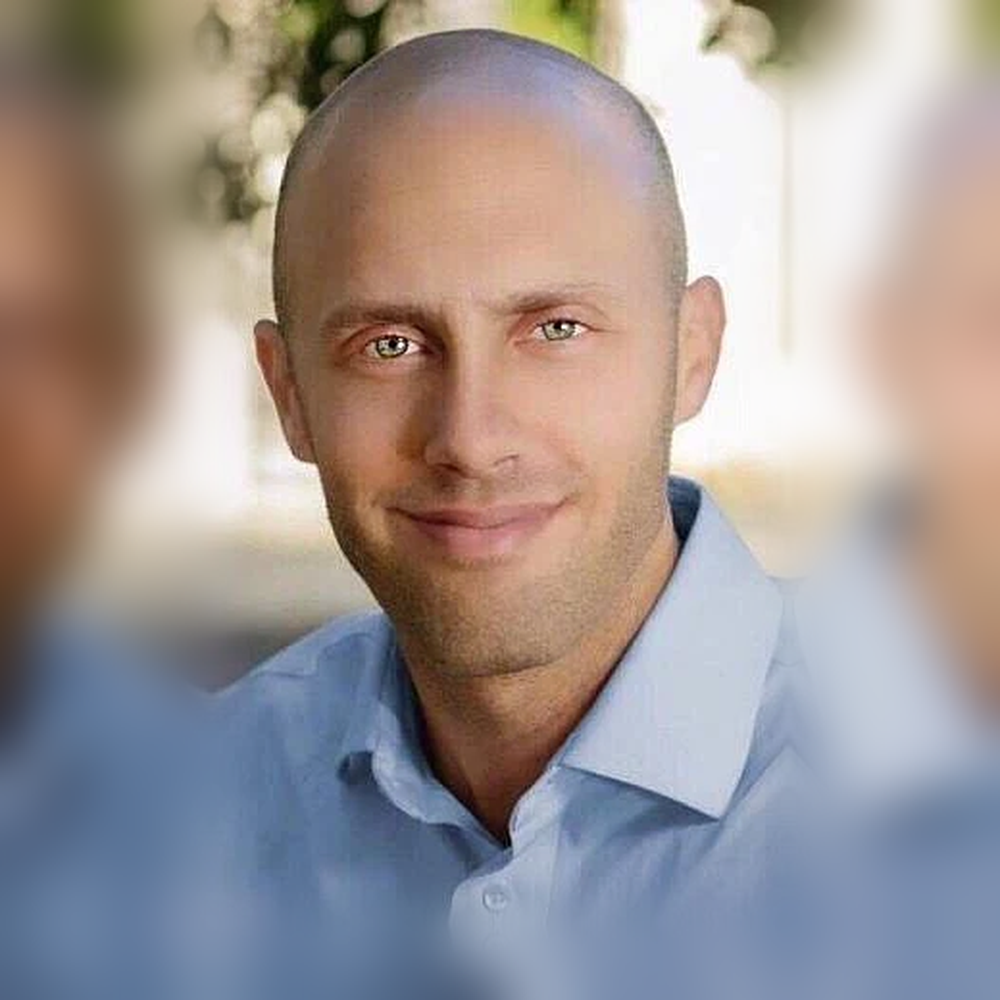
Michael Bassin co-founded Talent Sam, built it on South African talent, and sold it to Simera. He shares what global remote hiring actually costs and what it actually returns.
The Dependency Lesson Every Talent Business Learns Late
Before Michael Bassin was hiring in South Africa, he was running a cold email agency with about 25 high-ticket clients. It worked until it didn't. Google and Microsoft started reworking deliverability, his team had no technical co-founder, and the wave they had been riding turned into a wall.
His read on it is unsentimental. They could not let a Google dependent business be their end all be all.
That is the quiet risk in most talent businesses, and most companies generally. You can build something genuinely good on top of a channel you do not control, and a policy change three thousand miles away can end it. Conferences, referral networks, a single job board, one outbound channel: they all carry the same exposure.
The asset Michael concluded you actually own is your workforce. Get the right people and the tooling underneath them becomes swappable.
Hiring in South Africa: Why the Arbitrage Is Real
Here is the part that makes his story unusual. Michael did not pick South Africa from a spreadsheet. He staffed his agency remotely across Mexico, the Philippines, India, South Africa and the UK, and over a few years replaced nearly the entire team with South Africans. Not to cut costs. The work was better.
His explanation is structural. South Africa used to run a strong first-world economy. The currency fell hard and the country has dealt with significant emigration. But the things that produce good knowledge workers did not fall with it.
"They still actually have the core infrastructure and culture of a certain kind of work, a certain type of education, and a certain type of employment mentality." - Michael Bassin
Native English, Western workforce expectations, and a customer service culture he rates above the United States for de-escalation and support work. For any role that is client facing, that combination is difficult to find at the price.
He is careful not to oversell it. Not every South African is right for a US sales seat, and he is equally enthusiastic about people he has hired in India and the Philippines. His broader prediction is that this gap closes. The next generation, raised by parents already working in the remote economy and educated partly by whatever the internet makes free, will compete one to one.
Employer of Record: Why the Best Offshore Talent Won't Freelance
The expensive lesson came next. Michael assumed the hard part of global remote hiring was finding people. It wasn't. The hard part was that the people worth finding would not take the work on a freelance basis.
Two forces push the same direction. South African employment law sits closer to Western Europe than to the US, and if a South African contractor works for a single American client, that client carries real misclassification exposure. More practically, strong candidates with options want an actual employer.
"Good people did not want to work with you as a freelancer. They want an employer of record. They want HR." - Michael Bassin
So Talent Sam opened a proper local entity, shipped computers to people's homes, ran real HR, and handled mediation when employment disputes came up. Payroll, tax, compliance and legal eventually ran with the press of a button. That infrastructure was the price of reaching the top of the market rather than the middle of it.
This is the part buyers consistently underestimate. The gig model is a legitimate model. It just does not reach the people most companies say they want.
The Sourcing Gap That Sells Companies
Talent Sam had the back end solved and still sold. That is the most useful thing in the episode.
They were good at the top of the funnel and excellent at the bottom. The middle was the problem. As role volume grew and role types diversified, recruiting speed became the binding constraint, and competitors with genuine AI sourcing were simply faster.
"We might have been very good at signing master services agreements, but our recruitment was not fast enough to really compete." - Michael Bassin
Sit with that. A company with real compliance infrastructure, a differentiated talent pool, and satisfied clients lost on discovery speed. Being genuinely good was not the same as being findable and fast.
This is the gap we built Human Cloud to close, from the buyer's side. There are more than a thousand workforce platforms, staffing firms, EOR providers and managed service partners, and almost no structured way to tell them apart. Buyers default to Google, a few peer calls, and whoever spent the most on a conference booth. That process rewards marketing budget, not merit.
When evaluation is unstructured, the Talent Sams of the world stay invisible until somebody acquires them. When discovery, compliance and comparison are automated, a buyer can shortlist the right partner in minutes instead of months, and the solutions that are actually good get found on the strength of verified performance rather than ad spend. That is pipeline that does not depend on conferences and referrals.
The Bottom Line
Michael's throughline is ownership. Do not build your company on a channel someone else controls. Build it on people, hire them wherever the talent actually is, and accept the compliance overhead that comes with reaching good ones.
But his exit adds the second half of that lesson. Owning a great workforce is necessary and not sufficient. If buyers cannot find you and you cannot move at the speed of the market, the ceiling arrives anyway.
Hiring in South Africa gave Michael a workforce worth acquiring. What the flexible workforce still needs is the infrastructure that lets work like that get discovered before an acquisition is the only way it gets noticed.
About Michael Bassin
Michael Bassin is VP of Sales at Simera and the co-founder of Talent Sam, a South Africa-based remote hiring company acquired by Simera in 2026. He is also the author of I Am Not a Spy, a memoir of studying openly as a Jew across Egypt and the UAE and later serving as an Arabic interrogator in the Israeli army.
Listen to the full episode: Human Cloud Podcast on Spotify
This article was adapted from the Human Cloud Podcast. Subscribe wherever you get your podcasts.
Get insights like this every week
Join 26,000+ leaders staying ahead of the flexible talent market.